Restoring Biodiversity: The Power of Rewilding
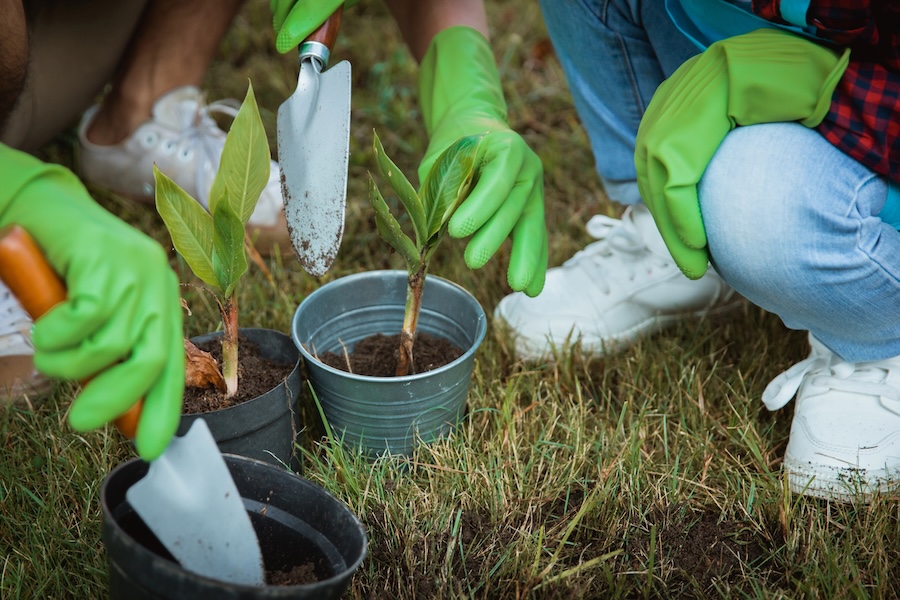
Rewilding is about the restoration of natural processes and facilitating the return of native plant and animal species within ecosystems.

Action Pathways
Rewilding: What is it?
Rewilding is the restoration of natural biodiversity and ecosystems, allowing landscapes to heal and thrive.
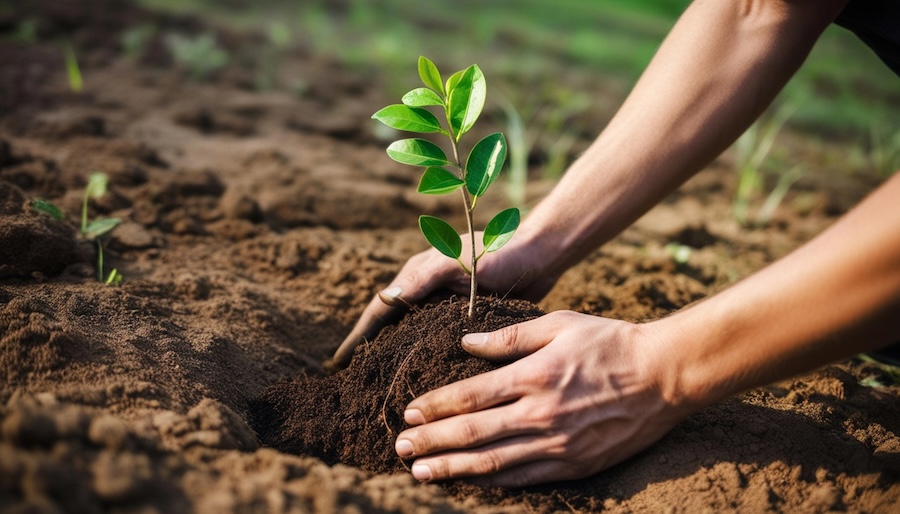
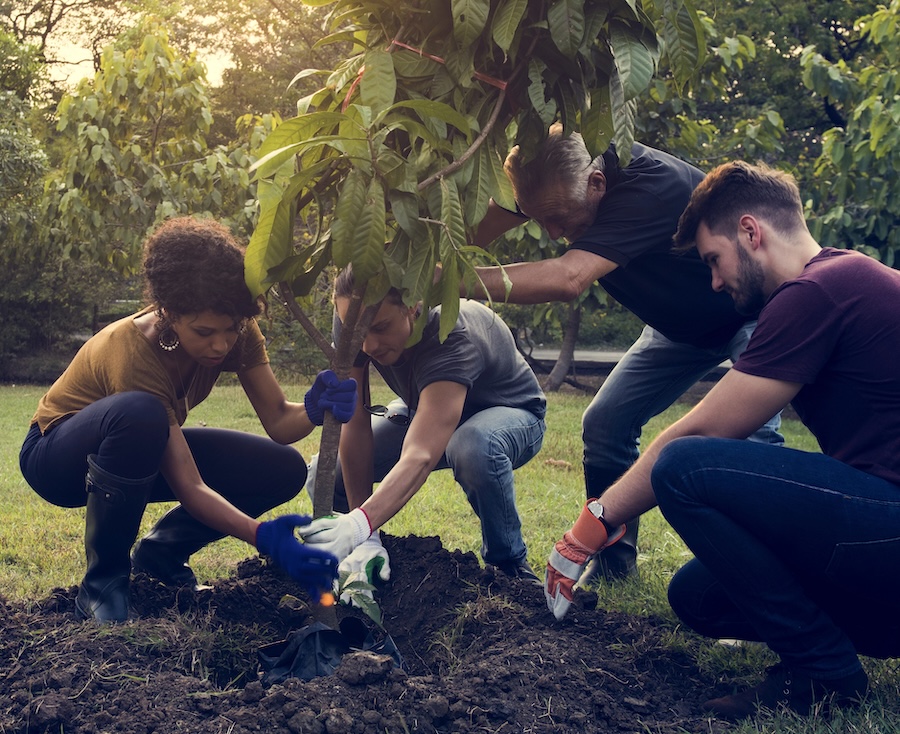
It’s about supporting nature to return to its natural health through understanding the needs of the ecosystem, responding to them and undertaking restorative works such as native planting and habitat creating.
Rewilding aims to restore dynamic, self-sustaining ecosystems that support biodiversity and climate resilience.
I have documented the data behind Australia’s biodiversity crisis in this blog post, while exploring how rewilding offers a path forward
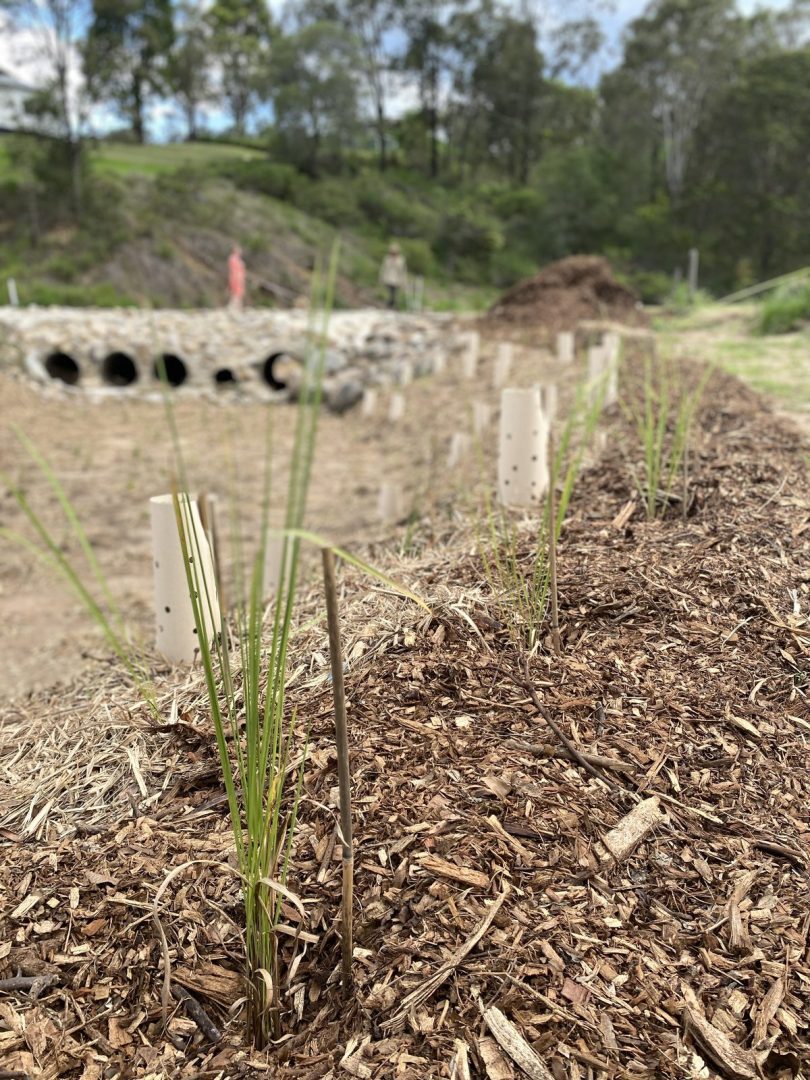
Why Southeast Queensland Needs Rewilding Now
Southeast Queensland is at a critical turning point. Between 2018 and 2023, we lost 3.767 hectares of riparian woody vegetation across all catchments, which is equivalent to 5,500 football fields. That’s habitat for koalas, native birds, and countless species disappearing before our eyes. (Source: Healthy Land and Water EHMP Report Card 2025)
Australia has lost more mammal species to extinction than any other continent (Source: IUCN Red List). Our ecosystems are under unprecedented pressure from habitat loss, invasive species, and climate change.
The impacts of deforestation across Australia, and in South East Queensland in particular, are staggering, sadly leading to Australia’s comparison with global deforestation hotspots like the Amazon in terms of high rates of mammal extinctions. (Source: Independent Review of the EPBC Act – Final Report by Professor Graeme Samuel AC)
But here’s the hopeful part: every one of us can do something about it.
When we regenerate our backyards, balconies, and blocks of land with native Australian plants, we create corridors of change. When those corridors connect, they become lifelines for wildlife moving through urban and suburban landscapes.
It starts small. It starts local. And it starts with all of us – individuals, communities, and the organisations and governments with the power to drive change at scale.
The core principles of rewilding (an Australian perspective)

Restore natural processes – Allow ecological cycles to function without constant human management
Rebuild trophic complexity – Support the full web of life from soil microbes to apex species
Create connectivity – Link fragmented habitats through connected ‘corridors’ so species can move and thrive
Support native biodiversity – Prioritise indigenous species and their relationships
Work with, not against nature – Let ecosystems guide the regeneration process
Centre indigenous perspectives – learning from aboriginal land management practices and wisdom

Why rewilding matters
10.9 million hectares of forest lost globally every year
Queensland’s koala population has declined by almost 50% over the past 20 years.
Source: The Wilderness Society
387 hectares of remnant riparian vegetation cleared in Southeast Queensland alone between 2018-2023, equal to 516 football fields

Rewilding offers a path forward by:
Regenerating degraded landscapes
Sequestering carbon and building soil health
Creating resilient habitats for threatened species
Restoring natural water cycles
Reconnecting fragmented ecosystems
I have documented the data behind Australia’s biodiversity crisis in this blog post, while exploring how rewilding offers a path forward
A possible solution
These issues can seem so large and beyond the ability of any one person to influence.
Many actions are needed on a range of fronts to address this crisis: changes in policy, shifts in agriculture supply chains, on-the-ground landcare and reforestation, increased awareness and education of the issue and solutions and a range of others, many of which you can explore here.
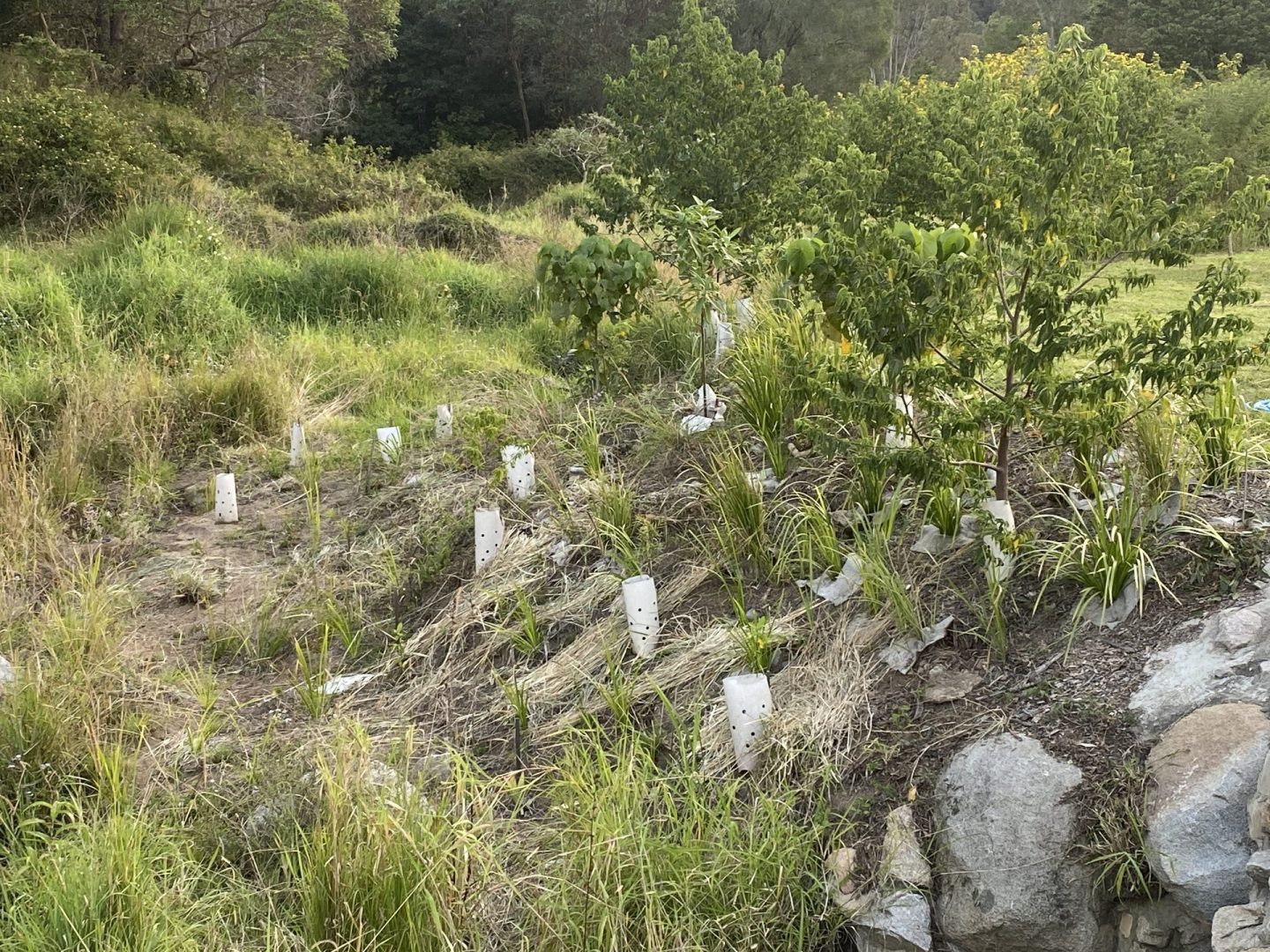
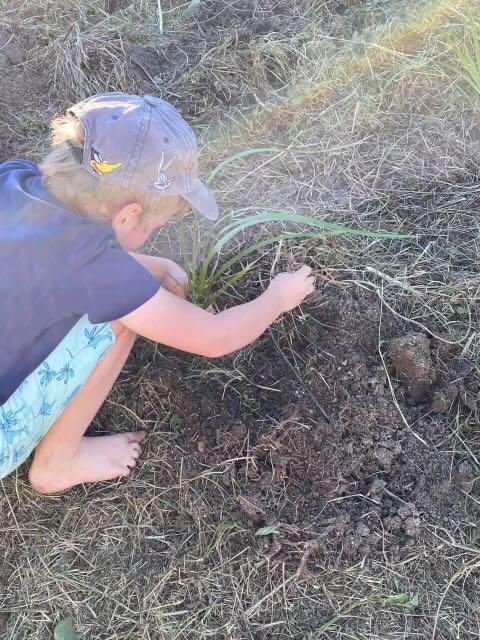
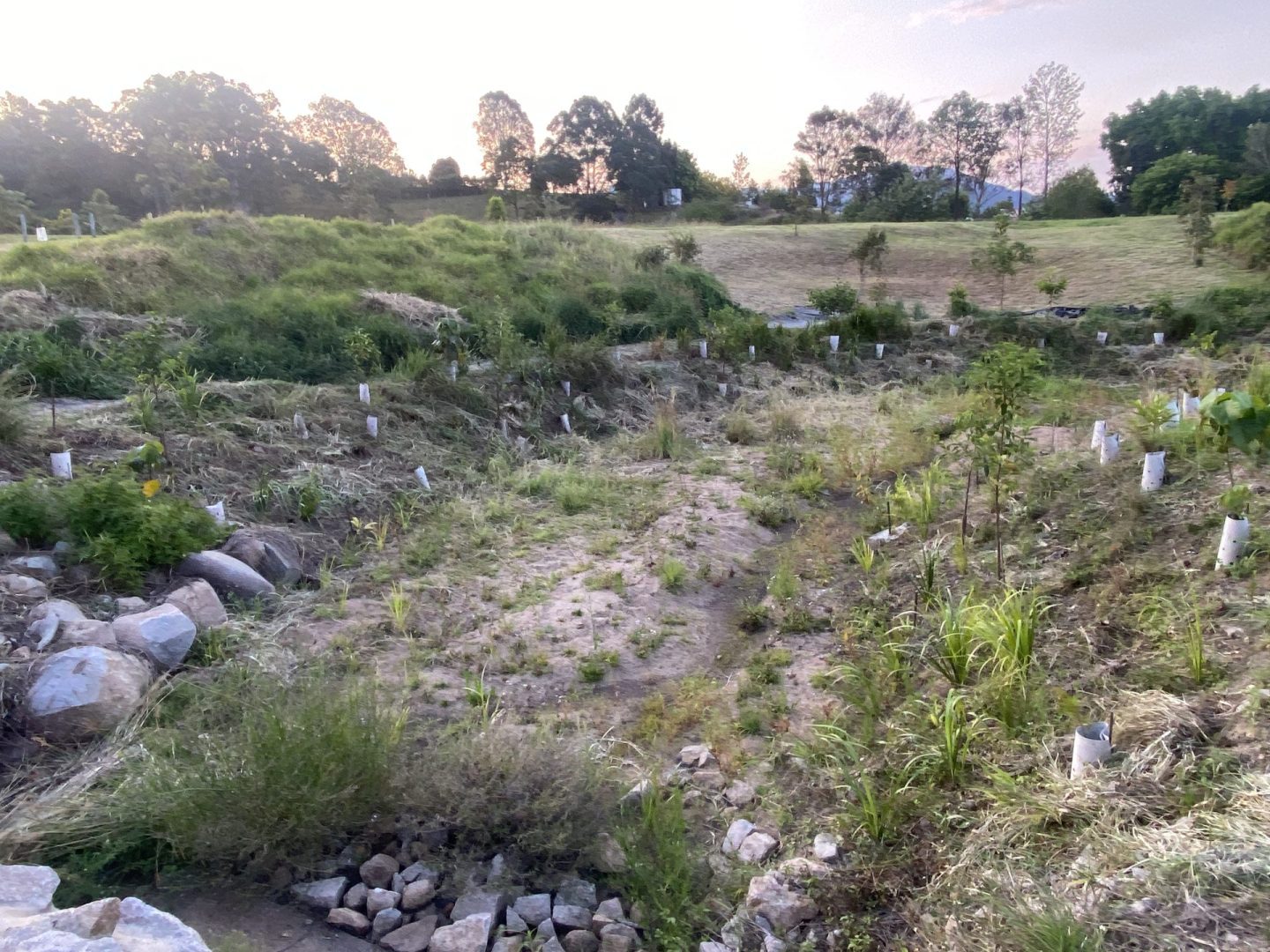
One solution we are working on in our neck of the woods is a small but hopeful local step – reforesting our own little patch of land in a small corner on the outskirts of Brisbane.
Our approach combines bush regeneration and reforesting – both of which are at the heart of our approach to rewilding. It involves working with nature’s intelligence to restore native plant communities and the ecosystems they support. Rather than simply planting trees, bush regeneration focuses on removing weeds, protecting native seedlings as they emerge, and creating the conditions for the bush to regenerate itself. It’s a patient, observational practice that builds resilience into the landscape and supports the return of native wildlife.
You can find out more about our project and follow our progress here.
Our Journey
When we first started out, there were some helpful resources and people doing similar work (see the links below), but there wasn’t one place where the relevant resources were housed together.
By sharing our own journey and the resources that have helped us, we hope to inspire, educate, empower and support others who want to do something similar – creating biodiversity in backyards (or even balconies!) of any size.
If we were all to do this, it would create corridors of change – patchworks of native biodiversity throughout our suburbs, towns and cities. When connected, these small actions can have a cumulative effect of significant positive change for nature and our communities.
We’re in the early stages of this journey. Follow along on our land regeneration journey, download the resources that can help you on your path, and join the community to share, learn from others, and grow your own rewilding work.
Get involved: your rewilding path
Community is an antidote to feeling overwhelmed and isolated by the scale of the challenge that we face in nature.
You can join the Rewilding community here:
Here, you will be able to share your own journey and help others learn how to reforest their patch of land.
You can also learn more about our re-forestation journey and the steps we are taking to help you in your own journey, as well as access handy resources.
It is by no means exhaustive, perfect or linear and every piece of backyard and land is different. Sometimes it is a couple of steps forward and one step back. And it is a learning process. If you can be open to learning and listening to the land, you will soon get feedback on what does and doesn’t work, and how to incorporate changes in the landscape.
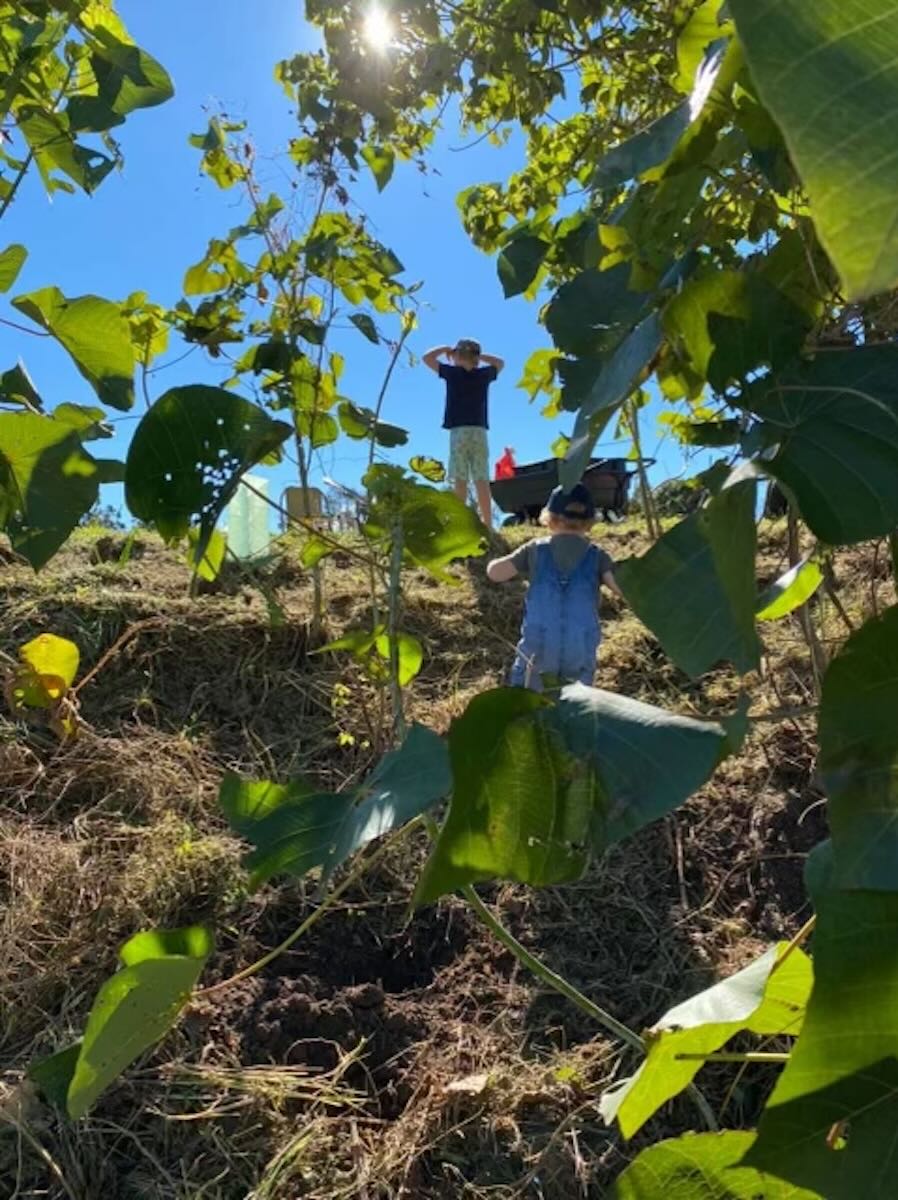

We hope that by offering a space for collective learning and sharing, we can each offer some inspiration and helpful ideas to navigate your own process – no matter how big or small the work. We are always learning and are certainly no experts in the field, but we believe this work matters.
Our vision is that by many people doing their part in their patch and through connecting with each other, we can create a much greater impact on bringing back biodiversity and healthy landscapes all over this beautiful land.